Restorative Dentistry
Restorative dentistry focuses on repairing damaged, decayed, or missing teeth to restore function, appearance, and oral health. Whether you have a small cavity or need to replace a missing tooth, we offer high-quality solutions tailored to your needs.
Dental Fillings
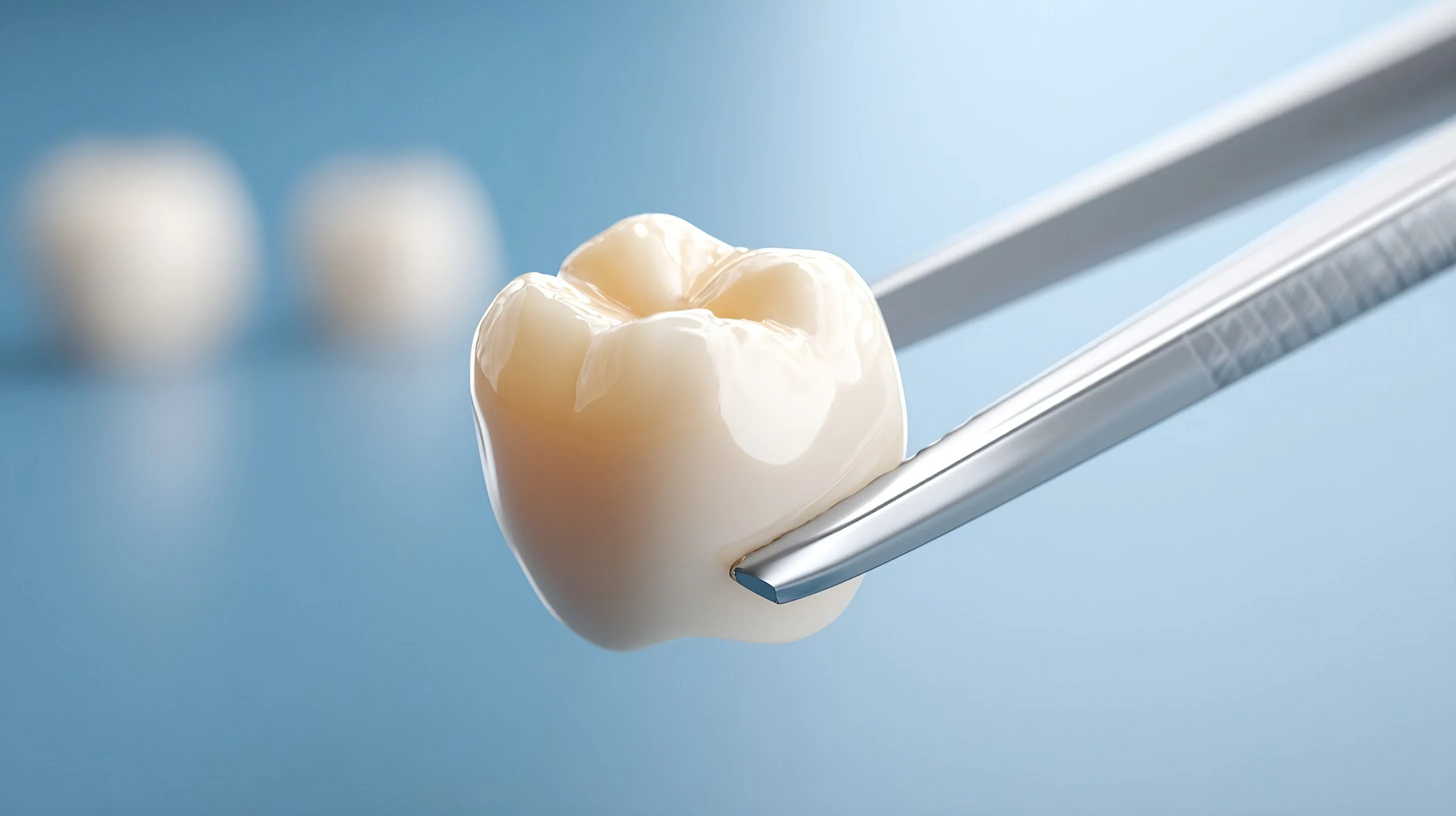
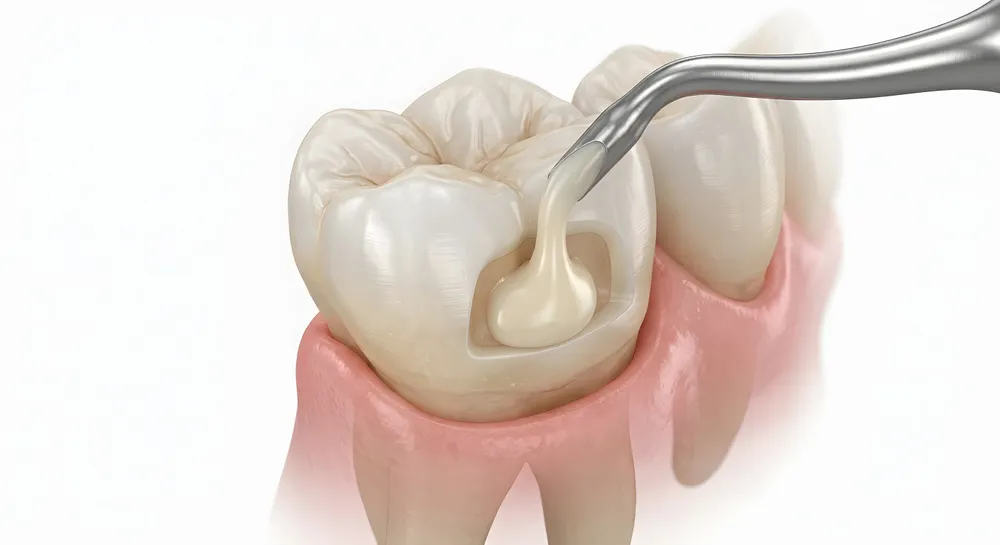
Fillings are used to restore teeth damaged by cavities or minor fractures. We offer two types:
- Composite (Tooth-Colored) Fillings: Made of a durable resin that blends with your natural tooth color. Ideal for front teeth and visible areas.
- Amalgam (Silver) Fillings: A durable metal alloy used primarily for back teeth where strength is a priority. Less aesthetic, but long-lasting.
Frequently Asked Questions: Dental Fillings
Both are effective. Composite fillings look more natural, while amalgams are strong and excel in deep areas that are difficult to keep dry during the filling procedure.
No. We use local anesthesia to keep the area numb and ensure you’re comfortable.
Composite and amalgam fillings can both last 10+ years with the most important factor being good self care including regular brushing and flossing.
Dental Crowns
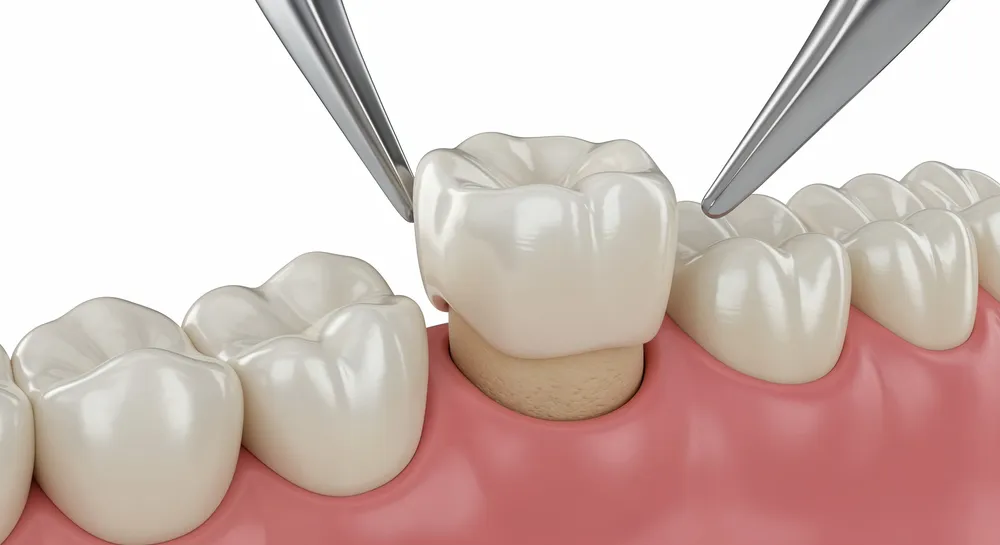
Crowns (or “caps”) are tooth-shaped covers placed over damaged or weakened teeth. They restore strength, protect the tooth, and improve appearance. Crowns can be made from porcelain, zirconia, metal, or a combination.
Common reasons for crowns include:
- Cracked or broken teeth
- Large fillings that weaken the tooth
- Following a root canal
- Cosmetic improvement of discolored or misshapen teeth
Frequently Asked Questions: Dental Crowns
Crowns typically last 10–20 years, but can last longer with good hygiene and regular checkups.
Yes. We custom-match your crown to the color and shape of your surrounding teeth.
Most crowns take two visits—one to prepare the tooth and place a temporary crown, and one to place the permanent crown.
Dental Bridges
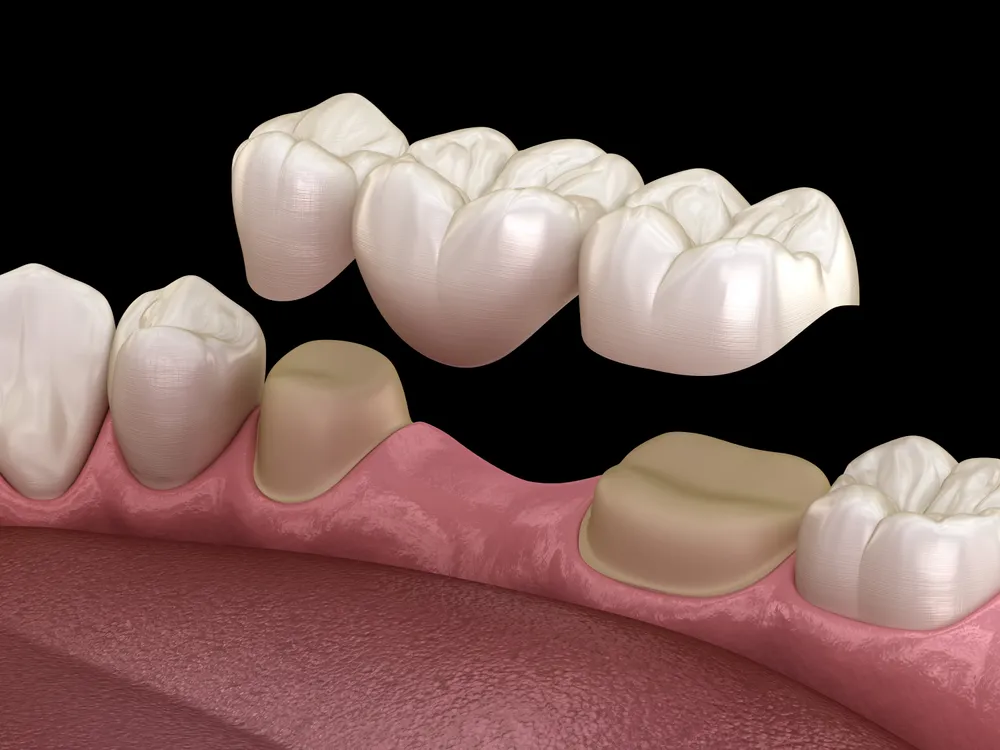
Bridges are fixed restorations used to replace one or more missing teeth. A bridge consists of crowns on either side of the gap (anchoring teeth) and one or more artificial teeth (pontics) in between.
Types include:
- Traditional bridges (most common)
- Cantilever bridges (used when only one adjacent tooth is available)
- Implant-supported bridges (no natural teeth needed for support)
Frequently Asked Questions: Dental Bridges
With proper care, a bridge can last 10–15 years or more.
It depends. Bridges are non-surgical and quicker to complete, but implants don’t rely on adjacent teeth and can be more permanent. We’ll help you choose the right option.
Yes. Once you adjust, you’ll be able to chew and speak normally.
Book a restorative dentistry consultation
Contact our Richmond office during business hours and we will be happy to help you in English, Cantonese, or Mandarin.