Connective Tissue Graft
Tissue is taken from beneath the surface of the palate and placed over the receded area. This is often used for root coverage and aesthetic improvements.
Gum grafting is a periodontal procedure used to treat gum recession and restore lost gum tissue. Receding gums can expose tooth roots, cause sensitivity, and lead to further damage if untreated. Gum grafts help protect your teeth, reduce sensitivity, and improve the appearance of your smile.
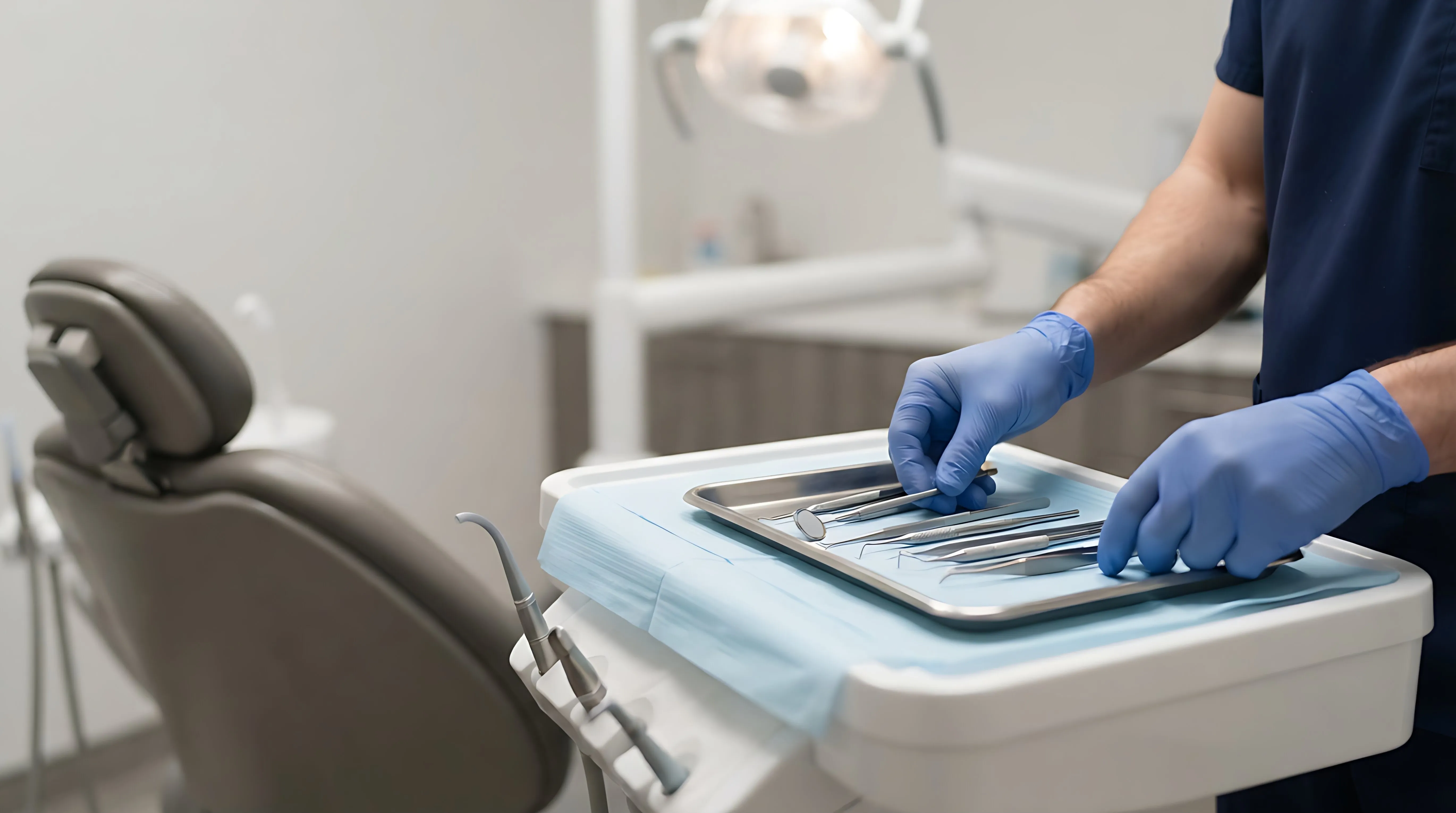
A gum graft involves taking a small amount of tissue—either from your own mouth or a donor source—and placing it over areas where your gums have receded.
This helps:
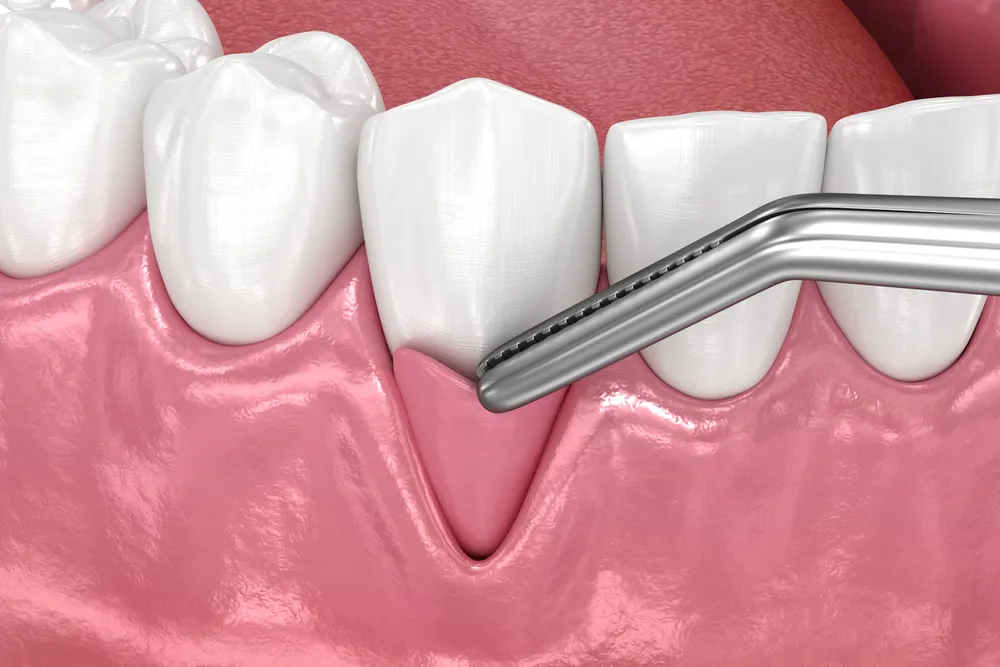
Tissue is taken from beneath the surface of the palate and placed over the receded area. This is often used for root coverage and aesthetic improvements.
Tissue is taken directly from the surface of the palate. Typically used to thicken thin gums rather than cover roots.
Tissue is repositioned from nearby gum areas to cover exposed roots—only possible if there’s enough nearby gum tissue.
Donor graft material is used instead of harvesting from your own mouth, often for patients needing multiple sites treated or those wishing to avoid a second surgical site.
The procedure is done under local anesthesia. You may feel some soreness afterward, especially at the donor site (if tissue is taken from your palate), but we provide medications to manage discomfort.
Common causes include aggressive brushing, gum disease, genetics, misaligned teeth, or trauma. Grafts help prevent further damage.
You’ll need to stick to soft foods for about 1–2 weeks. We’ll give you specific dietary instructions to protect the graft as it heals.
Most healing occurs within 2–3 weeks, but complete gum maturation can take a few months.
While rare, factors like poor oral hygiene, smoking, or trauma to the graft area can affect the outcome. We provide detailed instructions to help ensure success.
Contact our Richmond office during business hours and we will be happy to help you in English, Cantonese, or Mandarin.